Microsoft Southeast Asia 3
Microsoft first announced Southeast Asia 3 (SEA3), a cloud region in Johor Bahru, on 4 November 2025 as part of a US$2.2 billion investment in Malaysia. In an update on 5 November 2026, Microsoft said:
- SEA3 will be its second Malaysian region, after Malaysia West in Greater Kuala Lumpur, which went live in May 2025, and will grow to become its largest cloud region in Southeast Asia.
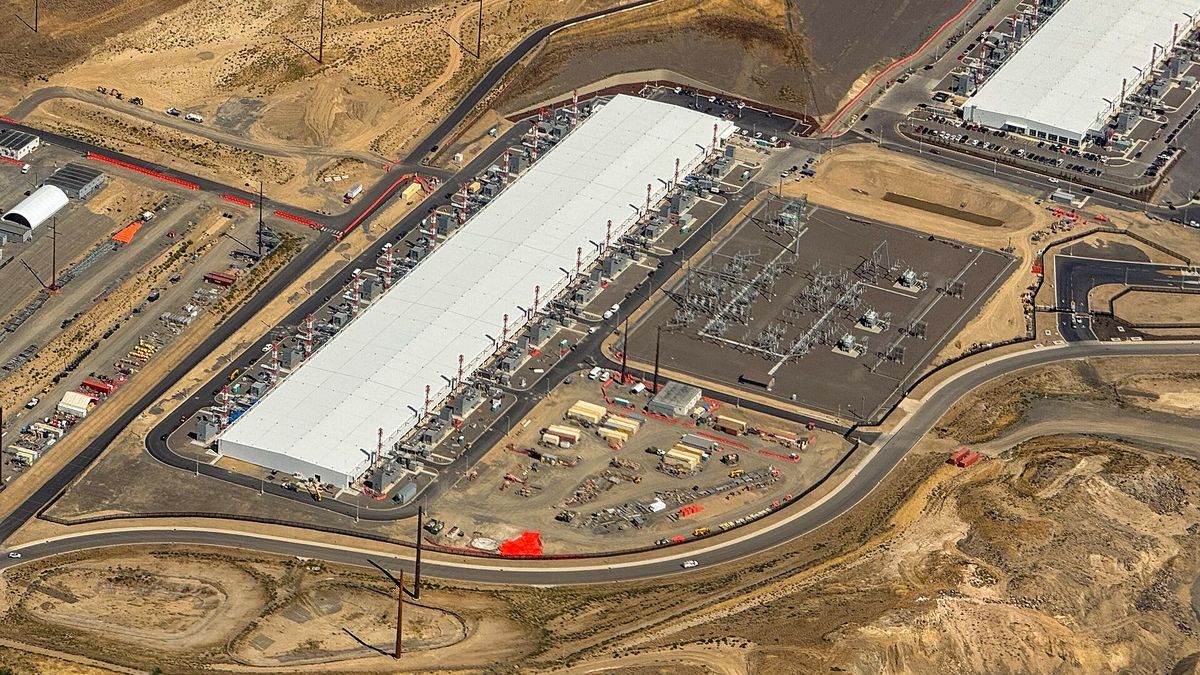
- It will use closed-loop cooling and air-cooled chillers that do not evaporate water for cooling, and backup generators designed to run on renewable biofuel.
- Microsoft-owned data centres in the region will be built to at least LEED Gold.
Microsoft has not published an opening date.
Johor's rules for data centres
- Water efficiency: Johor applies a Water Usage Effectiveness (WUE) threshold of 1.8, the same as Singapore. Meeting it does not guarantee approval; there must also be enough water in the area. Some operators have been told to use treated recycled water from sewage plants (state executive councillor Mohamad Fazli Mohamad Salleh, January 2026).
- Cooling: Menteri Besar Onn Hafiz Ghazi said in March 2026 that the state committee will only approve Tier 3 and Tier 4 data centres using air cooling, and "if a data centre demands a high intake of water, we will not approve it."
- Power and location: the state planning guideline asks for 132 kV to 275 kV substations for large data centres, encourages sites within 100 metres of transmission lines or main intake substations, and steers projects away from flood-prone areas, water catchments, peat and hilly land. TNB must approve the power supply before a project proceeds.
What it means for property
- Land: sites with ready power and an alternative water source are the scarce ones, so their value holds up even as Johor tightens approvals.
- Housing: with water and power for residents protected first, the worry that data centres crowd out new homes is partly answered. That is useful context when buyers ask about water supply in fast-growing areas such as Kulai and Sedenak.
- Spillover: tighter rules in Johor are one reason operators are looking at the Klang Valley and Negeri Sembilan. See Data centres head north to the Klang Valley.